

I abandoned the first draft of my book in March. I did not announce it or tear anything up. I simply stopped opening the file, and after a few weeks the not-opening had its own gravity, the way an unanswered letter gets heavier with every day it sits on the table.
When I came back in September, the draft was not as bad as I had feared, or as good as I had once believed. It was something much more useful: a thing I could see from the outside.
The gap is part of the work
There is a myth that serious writers write every day without fail. Some do. Many of the best I know write in bursts, disappear for months, and return with a clarity that daily grinding would never have given them. Time away is not always avoidance. Sometimes it is incubation, and sometimes the only honest response to a draft that is not ready.
What matters is how you restart. I have a small ritual for it: before touching the draft I read the last page aloud, slowly, and then write one bad paragraph on purpose. The bad paragraph is a permission slip. It gets the first, worst sentence out of the way so that the second one can be a real one.
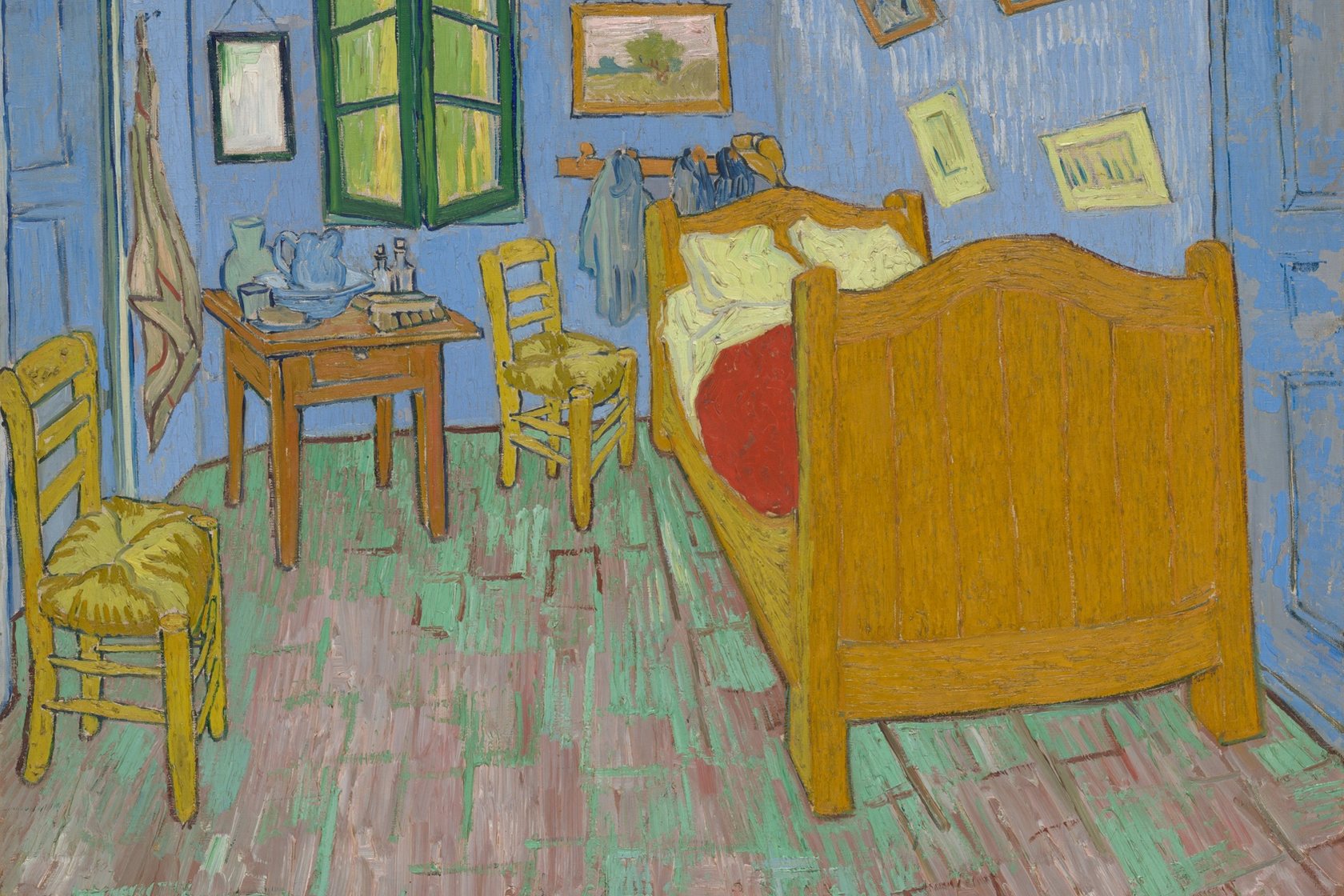
Imperfectly, on purpose
We tend to imagine starting again as a clean slate. It is not. You start again carrying everything you learned from the failed attempt: which scenes were dead, which sentences were doing no work. That knowledge is only available to someone who began imperfectly in the first place.
I think often about the potters who throw a dozen identical cups in a morning. They are not trying to make the one perfect cup; they are trying to make a dozen, and the perfect one turns up somewhere around the ninth. The method is volume, patience, and a willingness to put the failures on the shelf without ceremony.
So begin badly. Begin again badly. It is, as far as I can tell, the only method there is.